What we Treat

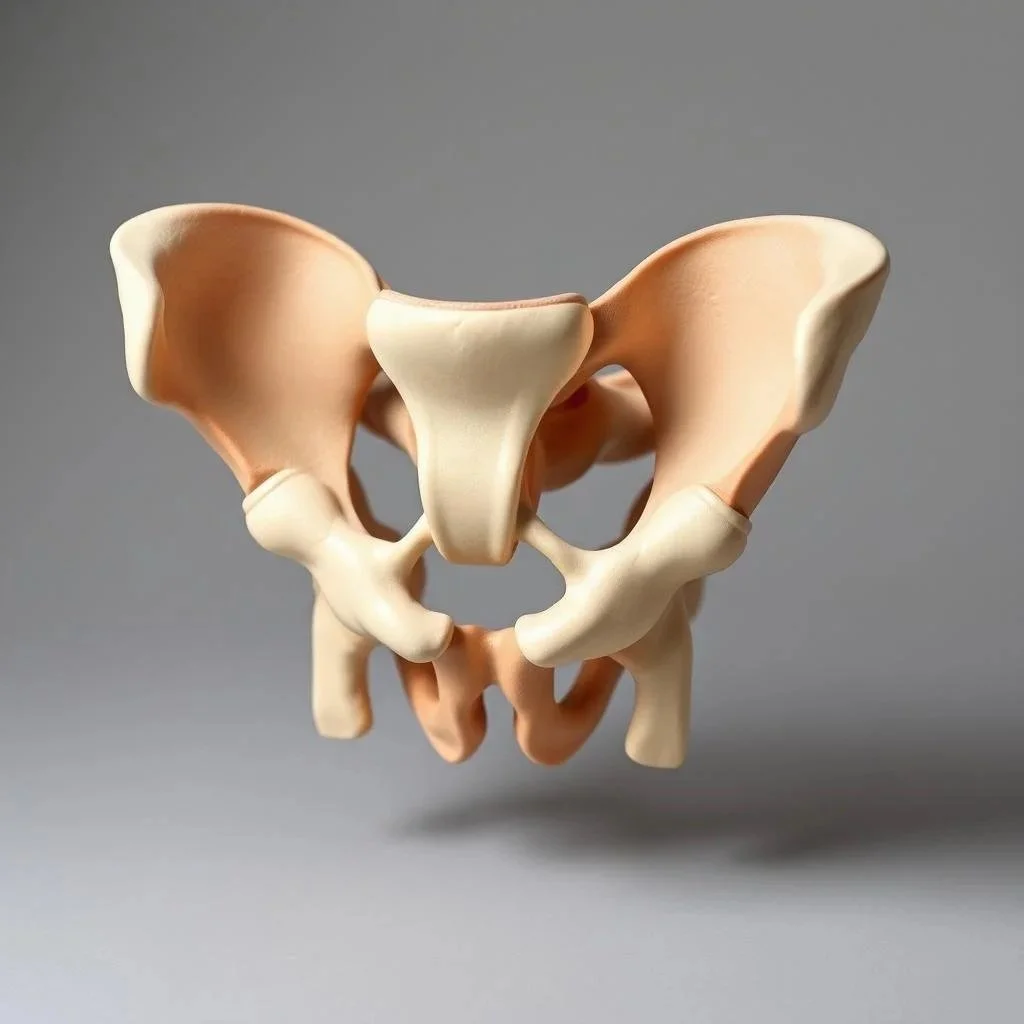
Pelvic Organ Prolapse
Pelvic organ prolapse (POP) is when one or more pelvic organs (bladder, uterus, small bowel, or rectum) drop from their normal position and bulge into or outside the vagina because the pelvic floor muscles and connective tissues have weakened or stretched.
Common Symptoms:
A pressure, fullness, dragging, or heaviness in the pelvis
A bulge or lump in the vagina
Urinary symptoms (urgency, incontinence, incomplete emptying)
Bowel symptoms (constipation, difficulty with bowel movements)
Pain or discomfort during sex
Urinary Incontinence
Urinary incontinence is the involuntary leakage of urine — the inability to control urination. It ranges from occasional small leaks to complete loss of bladder control.
Common types
Stress incontinence: leakage with pressure on the bladder (coughing, sneezing, exercise).
Urge incontinence (overactive bladder): sudden, strong need to urinate with little warning.
Mixed incontinence: combination of stress and urge symptoms.
Fecal Incontinence
The inability to control bowel movements, causing accidental stool leakage.
Common causes
Muscle damage (anal sphincter injury from childbirth or surgery)
Nerve damage (diabetes, spinal cord injury, childbirth)
Chronic diarrhea or loose stools
Constipation with overflow (stool impaction)
Reduced rectal sensation or compliance (radiation, inflammatory disease)
Neurological disorders (stroke, MS)
Age-related pelvic floor weakening

What we Treat
Constipation
A pelvic floor physical therapist treats constipation by addressing how the pelvic floor, abdominal muscles, and toileting habits affect bowel emptying. We can use down-training techniques, manual treatment, breath control, coordination/strength training, toilet positioning, supplement recommendations, water intake and scheduled toilet times.
Scar Mobility
A pelvic-floor therapist treats scar mobility to reduce pain, restore tissue glide, and improve pelvic function (urinary, bowel, sexual, and pelvic support). Scar can be in your pelvic floor (external or internal) or a C-section scar. It is never too late to address scar pain and restrictions!
Bladder Pain
Pelvic physical therapy can be very effective for bladder pain (interstitial cystitis/bladder pain syndrome, chronic pelvic pain, urinary frequency/urgency related to pelvic floor dysfunction). We use manual techniques, bladder logs and make tweaks to daily routine to assist.
Pelvic Pain
Pelvic pain is discomfort in the lower abdomen, pelvis, perineum. It can be acute or chronic and may be constant or intermittent. Causes include gynecologic (endometriosis, pelvic inflammatory disease), urologic (interstitial cystitis/bladder pain), gastrointestinal (IBS, constipation), musculoskeletal (pelvic floor muscle tension/dysfunction), neurologic, or pelvic nerve entrapment—and often several factors overlap.
What we Treat
Diastasis Recti
Diastasis recti is a separation of the two parallel bands of the rectus abdominis along the midline (linea alba). The connective tissue stretches and thins, causing a gap between the muscle bellies. A diastasis recti is common after pregnancy but can occur in newborns, men, and anyone with increased abdominal pressure (heavy lifting, obesity, chronic coughing).

Painful Intercourse
Painful intercourse (dyspareunia) is common and can have physical and/or psychological causes. Some causes are genital dryness, vaginal infections, skin conditions, pelvic inflammatory disease, endometriosis, ovarian cysts, pelvic floor muscle tension or spasm, vulvodynia, scar tissue and/or psychological factors: anxiety, past trauma, relationship stress
Birth Prep
A birth prep session helps pregnant women optimize comfort, function, and confidence for labor, delivery, and early postpartum recovery. Your therapist will assess pelvic alignment and mobility, pelvic floor muscle tone and coordination, breathing and relaxation strategies, and movement and pushing mechanics. The session combines hands-on treatment, guided practice of labor positions and techniques, pain-management tools, and a tailored home program to support safer birth and faster recovery.
Post partum
A postpartum pelvic floor therapy session begins with a detailed intake and medical history, including questions about your pregnancy, delivery, current symptoms such as leakage, pain, heaviness, bowel and sexual concerns. The therapist will observe your posture and movement, breathing and core coordination, and check the abdominal wall for diastasis recti. Your therapist will perform an external musculoskeletal exam of the hips, glutes, low back and any perineal or cesarean scar tissue, and—only with clear informed consent—may offer an internal pelvic floor exam (vaginal or rectal) to assess resting tone, strength, endurance, coordination and pain provocation. Treatment may include manual therapies like myofascial or scar mobilization and trigger‑point work, hands‑on guidance for correct pelvic floor activation and relaxation, education on toileting, bladder/bowel habits, safe return to activity and lifting mechanics, and a tailored home exercise program with breathing, core and pelvic exercises.